
Key Summary
- Heidi is a cost-effective AI transcription tool suitable for smaller practices, offering basic transcription features and integration with EHR systems but lacking advanced customisation options and support for complex medical terminology.
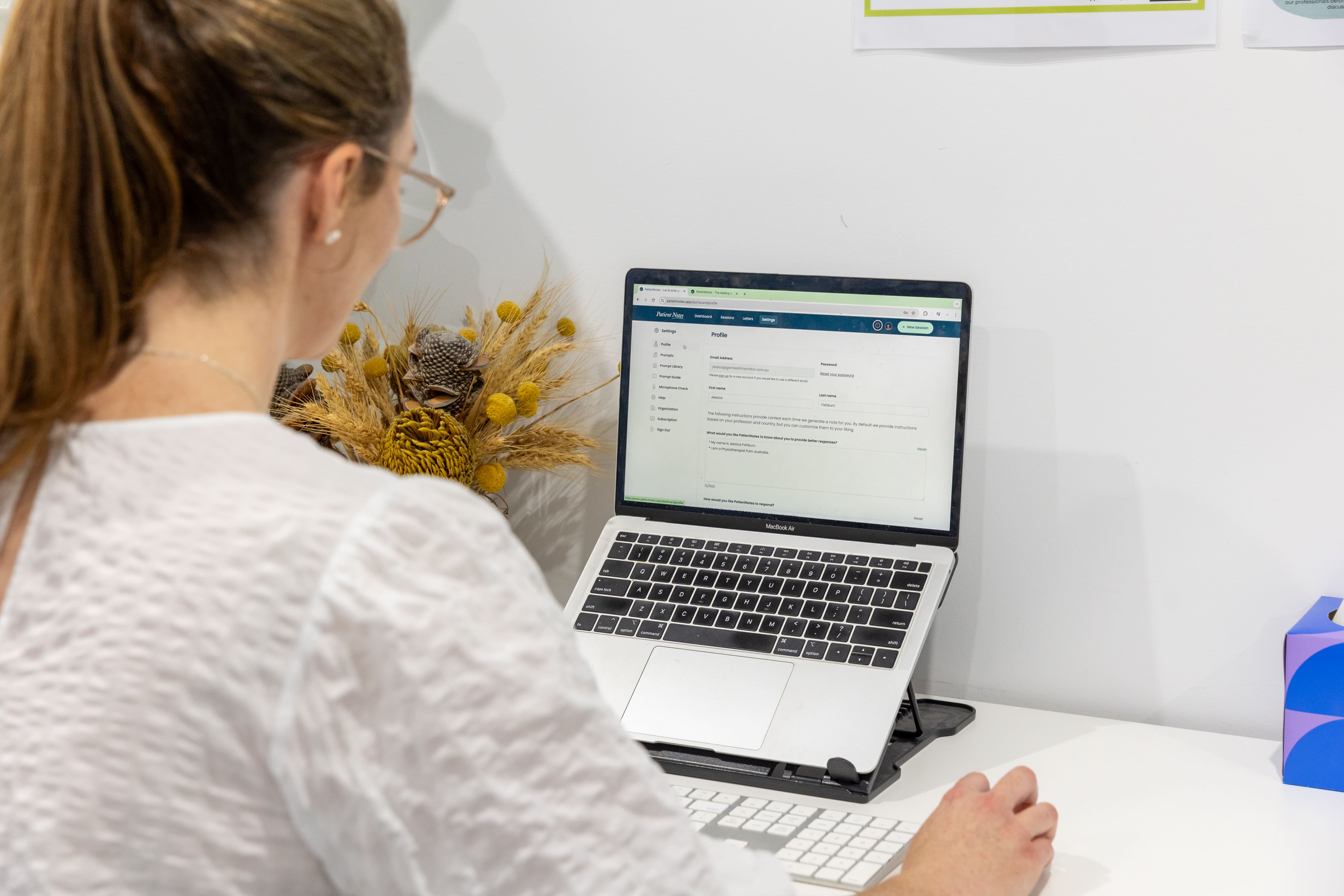
- PatientNotes is tailored for healthcare professionals, providing real-time transcription, high accuracy with medical jargon, and extensive customisation options for clinical notes, letters, and patient summaries, making it ideal for larger practices.
- PatientNotes offers superior security with HIPAA-compliant data handling, end-to-end encryption, role-based access control, and audit trails, ensuring a higher level of protection for sensitive patient data compared to Heidi.
- While Heidi is a budget-friendly option, PatientNotes offers greater long-term value with its advanced features, enhanced accuracy, and efficiency improvements, making it a better fit for practices with high documentation demands.
In healthcare, every minute counts. As patient loads increase and administrative tasks pile up, finding ways to streamline clinical workflows is crucial. AI transcribe tools like Heidi and PatientNotes aim to reduce the time healthcare professionals spend on clinical documentation, allowing them to focus more on their patients. Both platforms offer AI-powered transcription, but which one is right for you? Let’s compare their features, usability, accuracy, and security to help you decide.
Key Features: Simplifying Transcription
Heidi
Heidi is a solid AI-powered medical scribe designed to convert voice recordings into text efficiently. It integrates well with electronic health record (EHR) systems like Epic and Cerner, making it a convenient option for clinics that need basic transcription services. Heidi also supports customisable note structures, allowing users to tailor their notes in formats like SOAP or CHEDDAR. Additionally, Heidi includes the ability to generate referral letters and work across multiple languages
PatientNotes
PatientNotes is built specifically with healthcare professionals in mind. While it also offers voice-to-text transcription, it goes beyond basic functionality by providing real-time transcription, patient summaries, and automated medical letters. With PatientNotes, you can customise how your notes are structured to match your preferred documentation style. This added flexibility allows for seamless integration into any clinical workflow, helping practitioners save valuable time on administrative tasks.
Ease of Use: Keeping It Simple
Heidi
Heidi provides a clean and straightforward interface. For tech-savvy users, getting started is quick, and its features are easily accessible. However, users unfamiliar with AI transcribe tools may find themselves needing time to adjust to its advanced features like note customisation and template setup.
PatientNotes
PatientNotes also offers an intuitive interface but is specifically designed to fit naturally into healthcare workflows. From the moment you start recording to the final output of a note or letter, the process is smooth and frictionless. Even users with limited technical expertise can easily adapt to PatientNotes’ interface, as it simplifies complex tasks like medical letter generation or patient summaries into a few clicks. Its focus on real-time transcription further reduces the time spent waiting for notes to be completed.
Accuracy and Speed: Getting It Right the First Time
Heidi
Accuracy is a crucial factor when choosing an AI transcription tool, especially in healthcare. Heidi performs well for general transcription needs, but it can struggle when dealing with complex medical terminology. This may require manual corrections post-transcription, which adds time to the process.
PatientNotes
In contrast, PatientNotes is optimised for medical transcription. Its AI is trained on healthcare-specific language, making it highly accurate even when handling specialised medical jargon. PatientNotes also provides real-time transcription, meaning that your clinical notes are ready almost instantly after a consultation. This ensures a smoother workflow with fewer disruptions caused by waiting for transcription results.
Privacy and Security: Protecting Patient Data
Heidi
In any healthcare setting, data privacy and security are non-negotiable. Heidi offers solid security features, including standard encryption for data storage and transfer. The platform is compliant with HIPAA and GDPR regulations, making it a safe choice for healthcare professionals handling sensitive patient information.
PatientNotes
PatientNotes goes a step further when it comes to privacy and security by offering HIPAA-compliant data handling with robust security protocols. The platform includes end-to-end encryption, role-based access controls, and comprehensive audit trails, ensuring full compliance with healthcare regulations. This level of security is particularly reassuring for larger practices or hospitals where data breaches can have severe consequences.
Customisation: Tailored to Your Workflow
Heidi
While Heidi offers customisation options, they are more limited in scope. Users can adjust the structure and format of their notes, but the range of customisation may not meet the needs of professionals who require more specialised workflows or templates.
PatientNotes
PatientNotes excels in this area, offering a wide range of customisation options. Whether you're drafting a detailed clinical note, a medical letter, or a patient summary, PatientNotes lets you configure the note structure to fit your preferences exactly. You can create templates that suit your unique workflow, ensuring that your documentation is not only accurate but also highly efficient. This flexibility helps clinicians cut down on repetitive admin tasks and spend more time on patient care.
Pricing and Value: What Do You Get for the Cost?
Heidi
Heidi is priced competitively, making it a good option for individual practitioners or small practices looking for a basic, cost-effective transcription solution. For users who do not require specialised features or high levels of customisation, Heidi delivers good value for its price.
PatientNotes
PatientNotes may come with a higher price tag, but its enhanced features, accuracy, and security make it a valuable investment for larger practices or professionals with high documentation demands. The time saved through customisation, real-time transcription, and advanced security measures makes PatientNotes more cost-effective in the long run. It’s a solution that not only improves efficiency but also enhances the quality of patient care by streamlining clinical documentation.
Key Takeaways: Heidi vs. PatientNotes
Both Heidi and PatientNotes are effective AI transcription tools but serve different needs. Heidi is a solid, affordable choice for smaller practices needing basic transcription with minimal customisation. It integrates well with EHR systems but may require more manual adjustments for complex medical terminology.
PatientNotes, however, offers more advanced features, including real-time transcription, greater accuracy with medical jargon, and robust customisation options. Its healthcare-specific design, enhanced security, and long-term efficiency make it ideal for larger practices or professionals with high documentation demands. While Heidi is a good budget-friendly option, PatientNotes delivers superior value for those seeking enhanced flexibility and performance.
PatientNotes is for allied health, specialists, general medical professionals and beyond including neurosurgeons, myotherapists, IVF physicians, prosthetists, kinesiologists, epidemiologists, intensivists and many more.


Subscribe for
PatientNotes news.
A.I. for healthcare tips, professional profiles, and industry knowledge tailored to elevate your practice.