Key Summary:
- Healthcare providers using PatientNotes in New Zealand must ensure AI-generated documentation complies with Health New Zealand and NEAC guidelines, with human oversight to prevent inaccuracies and bias.
- Patient privacy is critical, with AI tools required to store data on local New Zealand servers to comply with the Health Information Privacy Code 2020 and data sovereignty laws.
- Transparency and patient consent are essential, and AI tools should not be used for clinical decision-making; they must be validated for quality and bias prevention before integration into medical records.
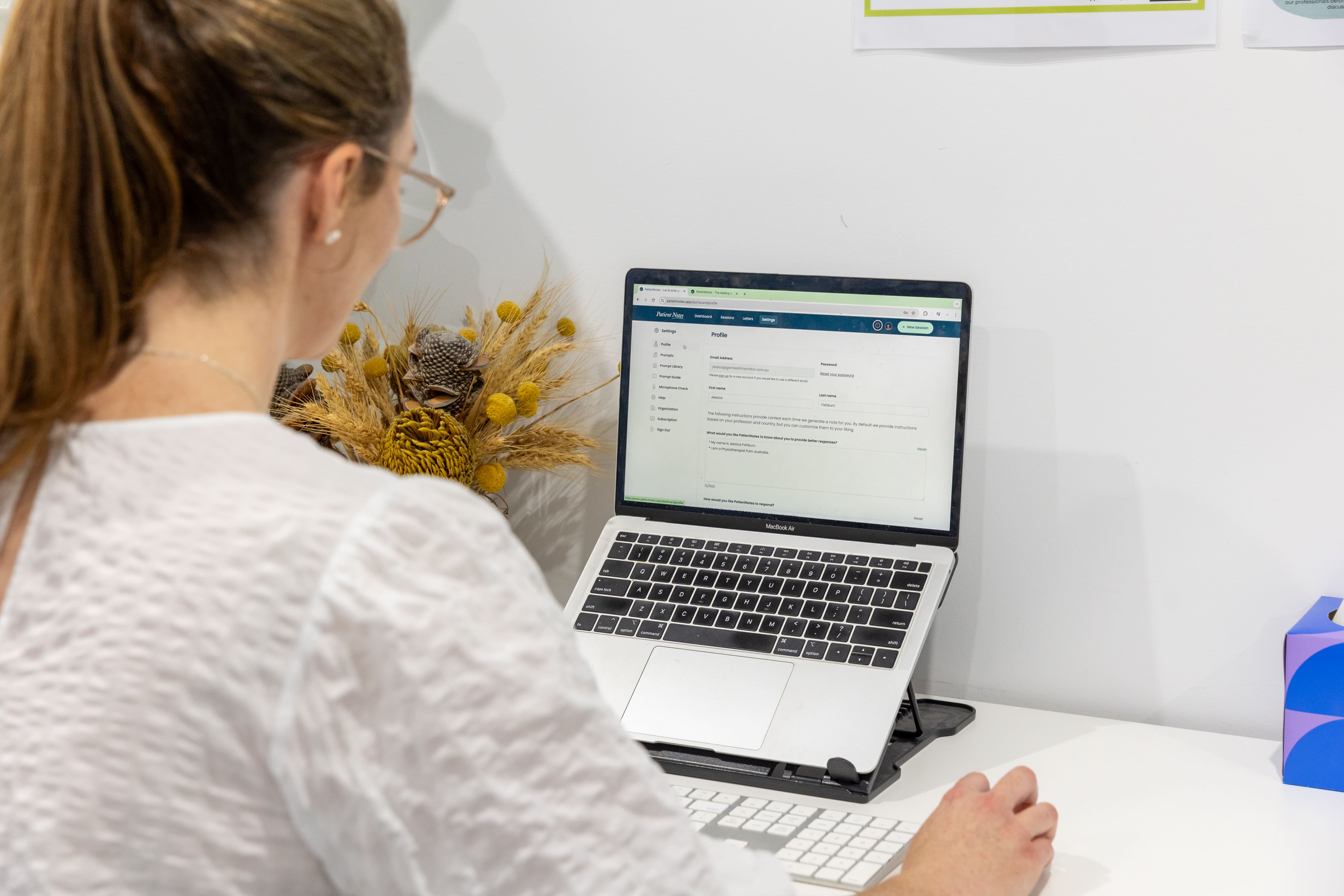
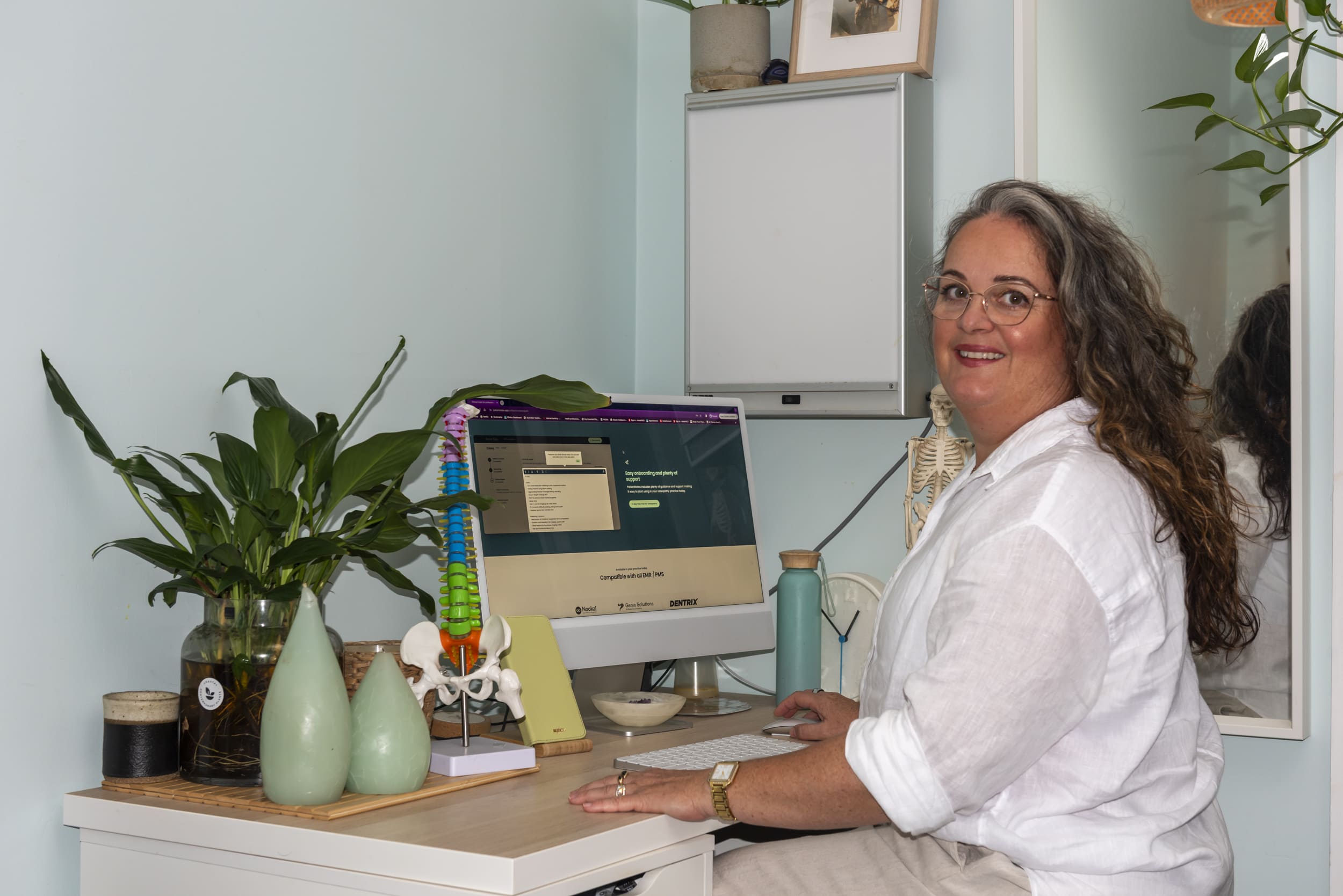
PatientNotes is an AI-powered clinical note-taking tool designed to help healthcare professionals streamline documentation. In New Zealand, the use of Generative AI and Large Language Models (LLMs) in healthcare is guided by Health New Zealand (Te Whatu Ora) and the National Ethics Advisory Committee (NEAC). To ensure compliance, healthcare providers using PatientNotes must adhere to ethical standards, maintain patient privacy, and avoid using AI for clinical decision-making.
AI in Healthcare: Understanding Its Role
Generative AI tools, including LLMs, are becoming increasingly available in healthcare. While these tools can enhance efficiency by summarising and structuring medical notes, Health New Zealand advises a precautionary approach, as risks related to privacy breaches, inaccuracy, bias, and data sovereignty remain unaddressed. AI-powered documentation tools like PatientNotes can be used as long as they do not replace clinical judgment or provide direct medical advice.
Meeting Regulatory and Professional Obligations
Healthcare professionals using AI-driven tools must follow key principles outlined by Health New Zealand and NEAC to ensure responsible AI integration in clinical practice.
Data Privacy and Security
- Patient confidentiality is paramount – users must not input personal, confidential, or sensitive patient information into unapproved AI systems.
- AI-generated medical notes should be hosted on local New Zealand servers to maintain data sovereignty and comply with privacy regulations.
- AI tools must comply with Health Information Privacy Code 2020 to prevent unauthorised access or misuse of patient data.
Accountability and Human Oversight
- Healthcare providers remain responsible for verifying AI-generated documentation before integrating it into medical records.
- AI should not be used to diagnose, treat, or make clinical decisions.
- All AI-assisted content should include an acknowledgment that AI was used in the creation of the notes.
Ethical Considerations
- AI models may introduce biases and inaccuracies due to limitations in their training data, making human validation essential.
- Transparency is critical – patients should be informed when AI-driven tools are used during consultations.
- Healthcare providers should ensure AI-generated documentation does not amplify existing biases in patient care.
Compliance with National Ethics Advisory Committee (NEAC) Guidelines
The NEAC framework for AI in healthcare emphasises responsible AI use throughout the AI life cycle, including data collection, model development, validation, and implementation. Healthcare providers must:
- Evaluate data quality to prevent bias and inaccuracies in AI-generated notes.
- Ensure AI outputs are explainable and do not function as “black-box” decision-making tools.
- Assess potential risks to patient safety when implementing AI documentation tools.
- Follow the International Medical Device Regulators Forum (IMDRF) SaMD risk framework to categorise AI tools based on their impact on clinical care.
Leveraging AI Responsibly in New Zealand Healthcare
PatientNotes offers a powerful AI-driven solution for reducing administrative burdens while ensuring compliance with Health New Zealand and NEAC guidelines. By implementing local data storage, securing patient consent, and maintaining human oversight, healthcare professionals can responsibly integrate AI to enhance documentation workflows while safeguarding patient privacy, ethical standards, and regulatory compliance.
References
Health New Zealand (Te Whatu Ora). Large Language Models and Generative AI Advice. Available at: www.tewhatuora.govt.nz/health-services-and-programmes/digital-health/large-language-models-and-generative-ai-advice#summary-advice
National Ethics Advisory Committee (NEAC). Health Data and New Technologies. Available at: neac.health.govt.nz/national-ethical-standards/part-two/13-health-data-and-new-technologies


Subscribe for
PatientNotes news.
A.I. for healthcare tips, professional profiles, and industry knowledge tailored to elevate your practice.