
Key Summary:
- Healthcare professionals using PatientNotes in Singapore must adhere to MOH guidelines, ensuring AI is used only for administrative purposes and that patient data is stored securely on local Singapore servers
- AI tools should not be used for clinical decision-making, and healthcare providers must maintain human oversight to verify the accuracy and quality of AI-generated documentation.
- Compliance with MOH’s data security regulations, transparency standards, and ethical guidelines is essential to safeguard patient privacy and ensure responsible AI use in healthcare workflows.
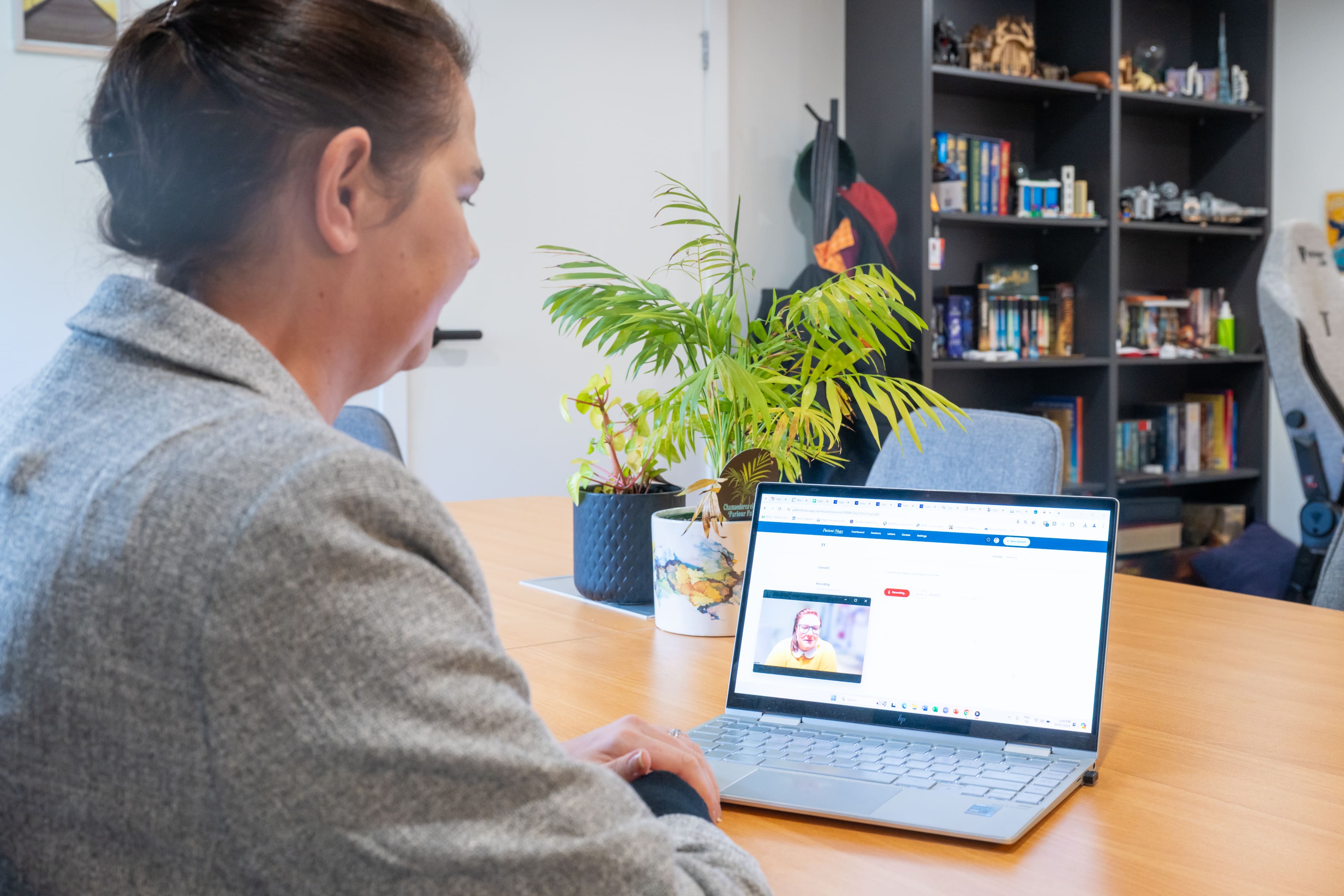
PatientNotes is an AI-powered clinical note-taking tool designed to assist healthcare professionals in streamlining documentation. In Singapore, the use of AI in healthcare is regulated by the Ministry of Health (MOH), which ensures that AI-driven tools are implemented safely, ethically, and securely. Compliance with MOH guidelines is essential for integrating AI into healthcare while safeguarding patient privacy and data security.
AI in Healthcare: Understanding Its Role
MOH recognises the potential of AI to improve efficiency in healthcare settings, particularly in routine documentation and imaging. The Singapore government has committed significant investment to support AI innovation in public healthcare institutions, while also enforcing strict data security measures to protect patient information. AI-powered tools like PatientNotes can help reduce administrative workload but must not be used for clinical decision-making or diagnosis.
Meeting Regulatory and Professional Obligations
Healthcare providers using AI tools in Singapore must comply with MOH guidelines to ensure responsible and ethical AI integration.
Data Privacy and Security
- AI-generated medical records should be hosted on local Singapore servers to comply with MOH's data security regulations.
- Patient data should be stored on dedicated healthcare clouds managed by GovTech and Synapxe, ensuring full control over data access and security.
- AI-powered documentation tools should operate within whitelisted internet access and must align with government anonymisation standards.
Accountability and Human Oversight
- Healthcare professionals remain responsible for reviewing AI-generated documentation before integrating it into patient records.
- AI should function only as a documentation aid and should not influence clinical decisions.
- AI-generated documentation must be validated for accuracy to maintain patient safety and quality of care.
Ethical and Professional Standards
- AI tools must ensure data transparency and security, preventing unauthorised access or breaches.
- Patients must be informed and provide consent before AI-driven tools are used in their documentation.
- AI should be implemented with fairness and accountability, avoiding potential biases in documentation processes.
Compliance with MOH AI Guidelines
MOH is committed to advancing AI in healthcare while enforcing safeguards to protect patient data and ensure responsible AI use. Healthcare professionals should:
- Use AI-powered tools only for administrative purposes, ensuring they do not function as regulated medical devices.
- Ensure compliance with Singapore’s national AI governance framework, which prioritises data privacy, security, and equitable access to AI technologies.
- Stay informed about MOH’s ongoing legislative developments regarding the ethical use of AI in healthcare.
Ensuring Responsible AI Use in Singapore’s Healthcare System
PatientNotes provides healthcare professionals with an AI-driven solution to improve clinical documentation while ensuring compliance with MOH’s strict data security and ethical guidelines. By maintaining human oversight, safeguarding patient data, and adhering to MOH regulations, healthcare providers can responsibly integrate AI into their workflows, enhancing efficiency while ensuring secure and ethical healthcare delivery.
References
Ministry of Health (MOH). Transforming Healthcare Through Technology. Available at: www.moh.gov.sg/newsroom/transforming-healthcare-through-technology

Subscribe for
PatientNotes news.
A.I. for healthcare tips, professional profiles, and industry knowledge tailored to elevate your practice.