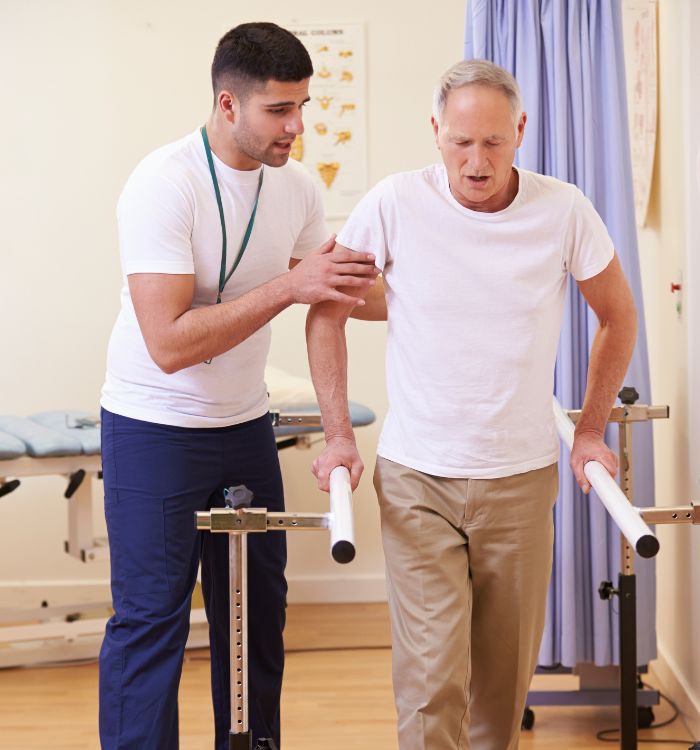

Physical Therapist Cardiothoracic assessment Template
Physical therapy cardiothoracic assessment notes document a comprehensive evaluation of respiratory function, cardiovascular performance, and thoracic mobility to establish a baseline for patients with pulmonary or cardiac conditions requiring rehabilitation intervention.
These specialized records demonstrate medical necessity for skilled physical therapy by detailing objective measurements including vital signs, oxygen saturation, auscultation findings, breathing patterns, chest wall excursion, and functional exercise capacity through standardized assessments such as the 6-Minute Walk Test.
They guide the development of individualized treatment plans by identifying specific cardiopulmonary impairments, establishing realistic rehabilitation goals, and determining appropriate interventions including airway clearance techniques, breathing retraining, cardiac reconditioning, and activity pacing strategies to improve functional capacity and quality of life.
Why Are Physical Therapist Cardiothoracic Assessment Notes Important?
Comprehensive cardiothoracic assessment notes facilitate clear communication between physical therapists, pulmonologists, cardiologists, and other healthcare providers involved in cardiovascular and respiratory patient care.
Detailed documentation ensures compliance with insurance requirements, Medicare guidelines, and healthcare accreditation standards for cardiopulmonary physical therapy interventions.
Well-structured cardiothoracic assessment notes contribute to improved patient outcomes by establishing baselines for vital capacity, respiratory patterns, and cardiovascular function that guide tailored rehabilitation programs.
How to Write Physical Therapist Cardiothoracic Assessment Notes
Begin with a systematic assessment of vital signs, oxygen saturation, heart sounds, breath sounds, respiratory pattern, chest mobility, and functional capacity measures like the 6-minute walk test.
Include objective measurements such as heart rate, blood pressure, respiratory rate, oxygen saturation, chest expansion values, auscultation findings, and standardized outcome measure scores specific to cardiopulmonary function.
Conclude with a clear analysis of findings, functional limitations, rehabilitative potential, and a detailed treatment plan that addresses specific cardiopulmonary impairments identified.
Key Components of Physical Therapist Cardiothoracic Assessment Notes
A comprehensive cardiothoracic assessment includes subjective history (cardiac/respiratory history, current symptoms, exacerbating and alleviating factors), objective measurements (vital signs, chest assessment, pulmonary function), functional assessment, and detailed treatment plan.
The respiratory assessment section documents breath sounds, breathing pattern, respiratory rate, sputum characteristics, cough effectiveness, and chest wall mobility to establish baseline function and guide respiratory interventions.
When documenting cardiac assessment findings, avoid vague terminology about heart sounds and instead precisely describe specific auscultation findings, exercise tolerance, and cardiovascular response to positional changes and activity.
Tips for Writing Effective Physical Therapist Cardiothoracic Assessment Notes
Use standardized cardiopulmonary terminology and assessment scales like the Modified Borg Scale for dyspnea, NYHA Classification for heart failure, or the International Classification of Functioning (ICF) framework to ensure clarity and consistency.
Maintain HIPAA compliance by securely documenting sensitive cardiac and respiratory diagnostic information, especially when sharing electronic records among multiple cardiopulmonary specialists.
Implement cardiopulmonary-specific templates with integrated flow sheets for tracking vital signs, oxygen requirements, and exercise tolerance across treatment sessions to efficiently document progress.
Automating Physical Therapist Cardiothoracic Assessment Notes
Automating cardiothoracic assessment documentation through specialized physical therapy software can streamline data collection from connected monitoring devices, pulse oximeters, and spirometers while ensuring consistent measurement recording.
When transitioning to electronic documentation, incorporate customizable cardiopulmonary assessment templates with dropdown menus for common respiratory patterns, heart sounds, and chest mobility measurements to maintain thorough documentation while reducing documentation time.
3 Common Questions About Physical Therapist Cardiothoracic Assessment Notes
How detailed should my documentation of breath sounds and respiratory patterns be?
Document precise locations of auscultation (using anatomical landmarks or intercostal spaces), specific qualities of breath sounds (vesicular, bronchial, bronchovesicular), presence of adventitious sounds (crackles, wheezes, rhonchi) with their timing in the respiratory cycle, and observed patterns (pursed-lip breathing, accessory muscle use, paradoxical breathing) to support clinical reasoning and track changes over time.
What's the best way to document exercise tolerance and activity response in cardiothoracic patients?
Record objective baseline measurements (resting heart rate, blood pressure, respiratory rate, oxygen saturation), document specific activities performed (duration, intensity, repetitions), note physiological responses during activity (peak heart rate, oxygen desaturation, recovery time), subjective ratings (Modified Borg Scale, Rate of Perceived Exertion), and functional limitations observed to establish a comprehensive activity tolerance profile.
How should I document chest mobility and breathing mechanics in my assessment?
Document specific chest expansion measurements at multiple levels (axillary, xiphoid, costal) using tape measure values in centimeters, assess diaphragmatic excursion, note specific restrictions in thoracic mobility (upper vs. lower, right vs. left, anteroposterior vs. lateral), and describe observable breathing patterns and chest wall movement during rest, deep breathing, and functional activities.
Final Thoughts on Physical Therapist Cardiothoracic Assessment Notes
Thorough cardiothoracic assessment documentation not only ensures quality patient care and professional communication but also substantiates the vital role physical therapists play in cardiopulmonary rehabilitation across acute care, outpatient, and home health settings.
Utilizing specialized cardiopulmonary assessment templates with integrated vital sign flow sheets, respiratory assessment diagrams, and standardized outcome measures can significantly enhance documentation quality while streamlining the evaluation process for busy cardiopulmonary physical therapy practitioners.
Now it’s your turn.
Use this template in
PatientNotes
Physical Therapist (PT)
Notes, Letters & Reports