Streamline cardiac assessments with automated documentation
PatientNotes helps cardiac scientists in efficiently documenting cardiac diagnostics and research findings, improving data management and analysis.

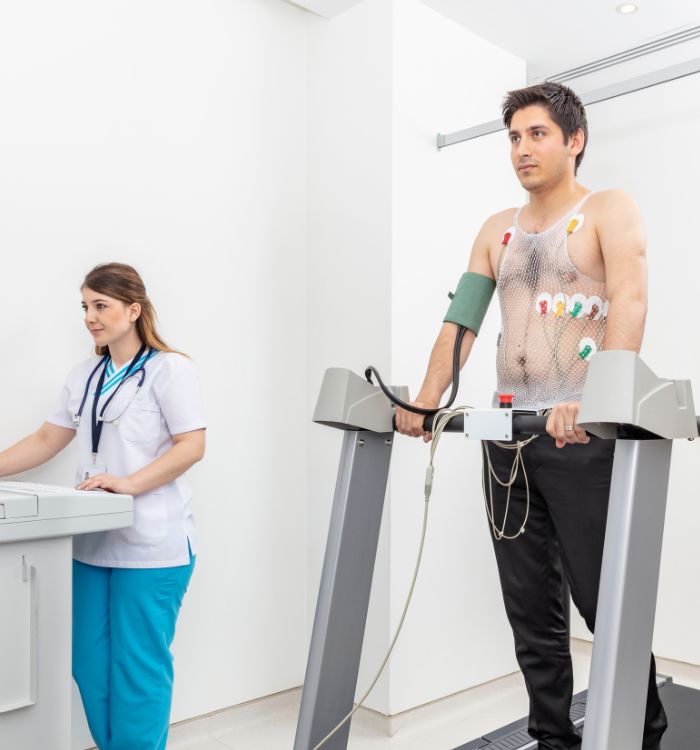

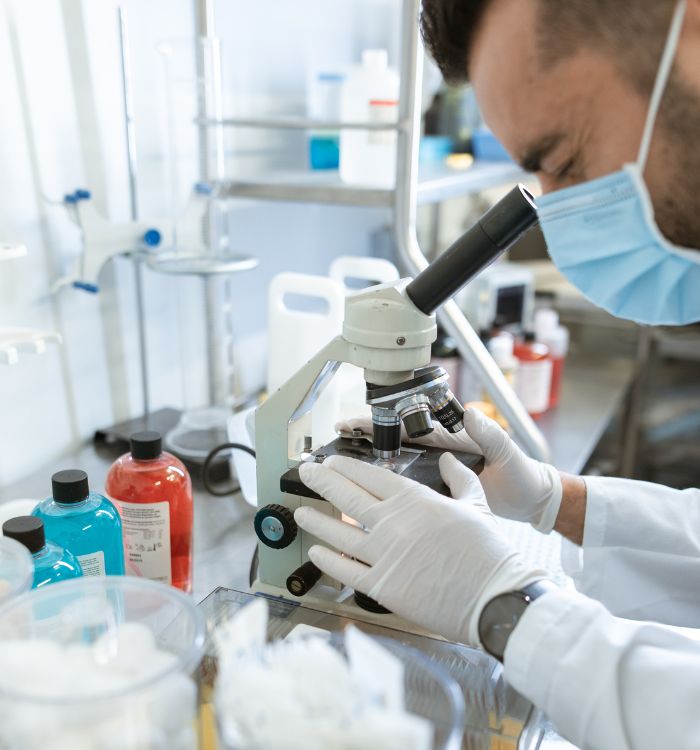

Cardiac scientists, research more, report less
PatientNotes provides cardiac scientists with the tools to efficiently document experimental data and patient studies, using AI to ensure detailed, secure, and easily accessible records.
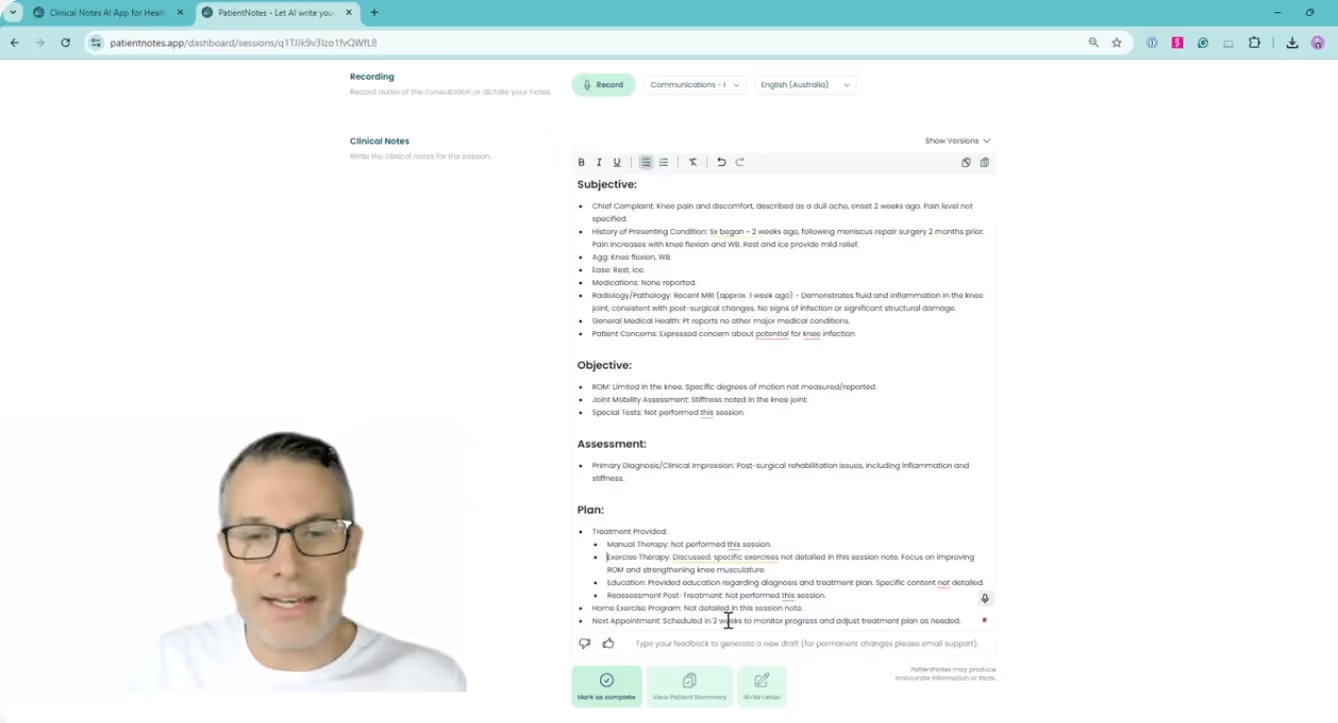

Cardiac Scientists Saving Time with AI
Cardiac Scientists rely on PatientNotes to streamline the documentation of research and clinical data, saving time and enhancing the quality of their work, which supports better patient care and cardiac research.
.webp)
Quick, Custom Cardiac Science notes drafted instantly.
Cardiac scientists use PatientNotes to efficiently produce detailed research notes, enhancing their focus on cardiac care studies and less on administrative tasks.
Recommended Cardiac Scientist Action Plans
Cardiac Scientists ensure patients receive clear, actionable summaries post-examination, providing a written care plan and next steps for their cardiac health journey.
Cardiac Scientists Save Time with Automated Report Writing
Rapidly produce medicolegal reports and referral letters, focusing more on cardiac research and care.
Protecting patient health data with confidence
At PatientNotes robust security measures create the strong immune system we know is vital to your patient's healthcare data. We know medical information is sensitive, and we’ve fortified PatientNotes with cutting-edge security measures to safeguard your clinical consults and notes.



Works with the existing PMS in your cardiac science practice
Cardiac scientists can use PatientNotes with systems like Pracsoft, efficiently managing cardiovascular data and research.


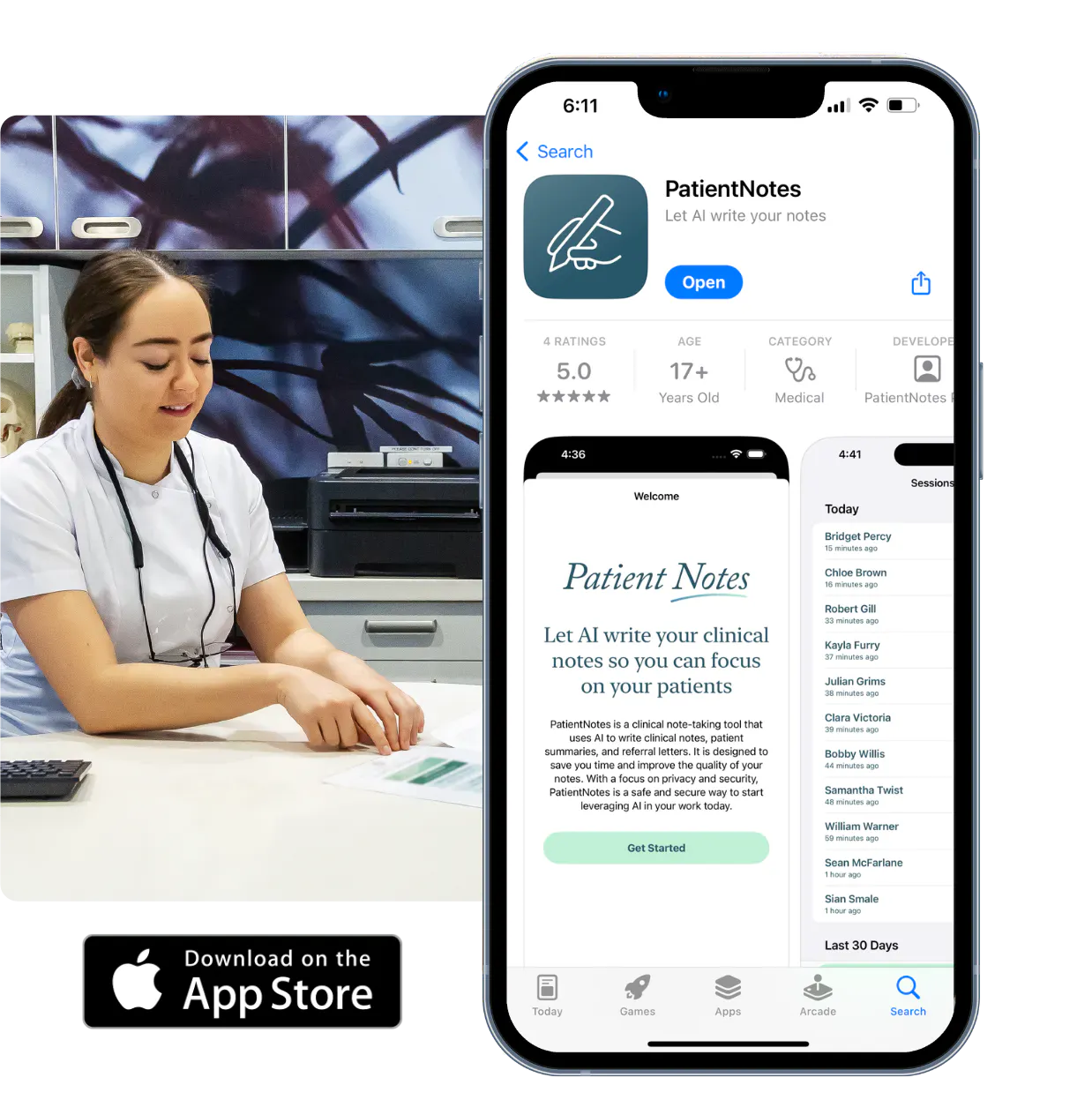
Cardiac scientists analyze data using PatientNotes in lab environments, during field studies, and via telehealth.
Cardiac scientists can access research data on any device with PatientNotes, which also integrates with cardiac scientist telehealth platforms.

iPhone app
iPad app
PC
Mac
Microsoft Teams
Zoom
Google Meet (using PatientNotes Mac App)

Plans for teams of all sizes



Frequently asked questions
How might an AI scribe assist during cardiac diagnostic procedures?
AI scribes transcribe your spoken observations during procedures like ECGs, stress tests, and Holter monitoring, allowing you to maintain focus on the patient and equipment while creating detailed documentation.
How do I integrate AI scribe notes with cardiology department electronic health record systems?
The clinical notes generated by the AI scribe can be copied and pasted directly into your cardiology department's EHR or reporting system once you've reviewed them for accuracy.
What cardiac-specific terminology would an AI scribe recognize?
Most AI scribes are built to learn specialized cardiac terminology through regular use, including terms related to arrhythmias, waveform morphologies, and hemodynamic measurements.
How do I dictate cardiac test results with precise measurements while using an AI scribe?
Speak clearly when dictating specific measurements like ejection fractions, chamber dimensions, and interval durations, and review the transcribed values carefully before finalizing your documentation.
Book a Discovery Call
Simply fill out the form and select a time that suits you best
Ready to get started? Create an account today
Transform the medical reporting in your practice, elevate the standard of patient care and bolster effective communication among healthcare professionals.