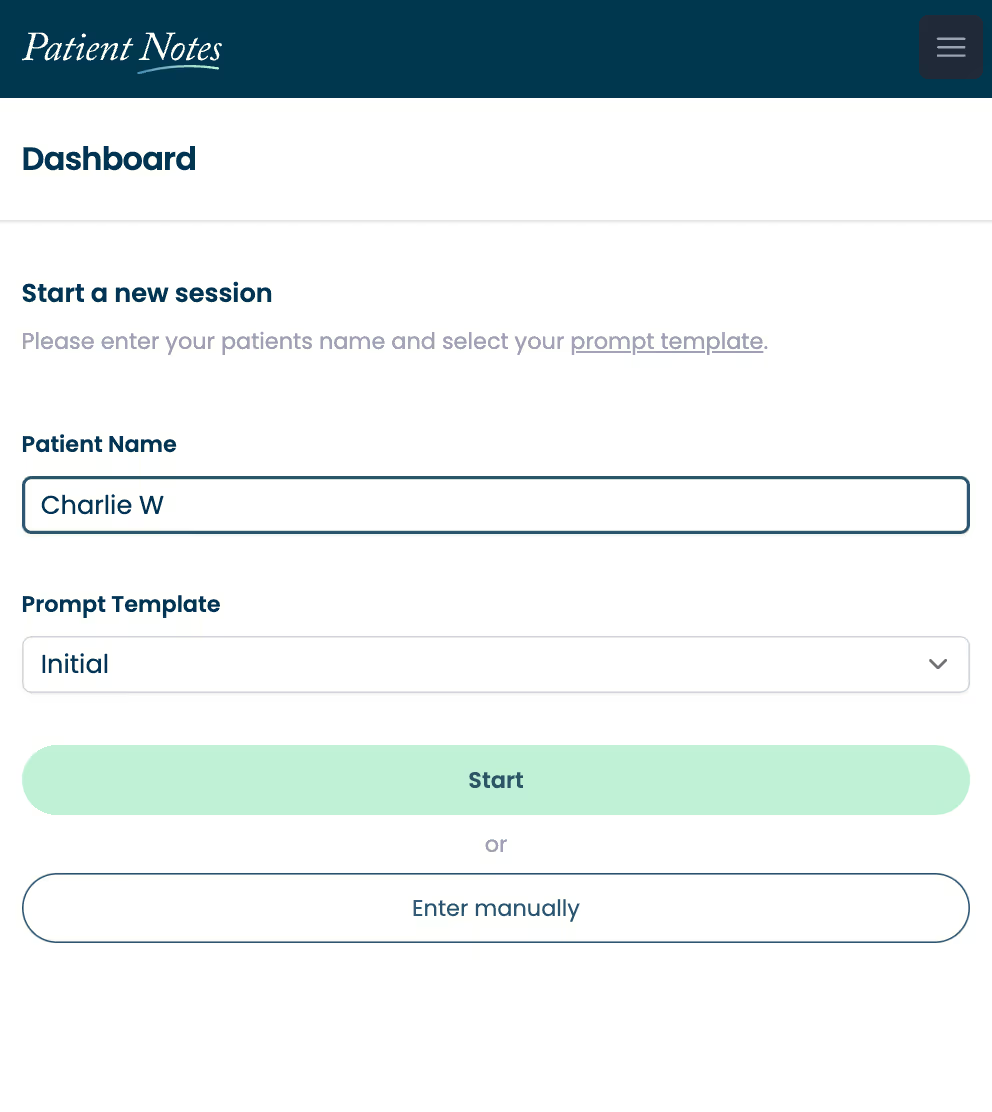
Automate learning and documentation during your cardiology fellowship
PatientNotes aids cardiology fellows in documenting learning experiences and clinical activities, enhancing their training and professional development.




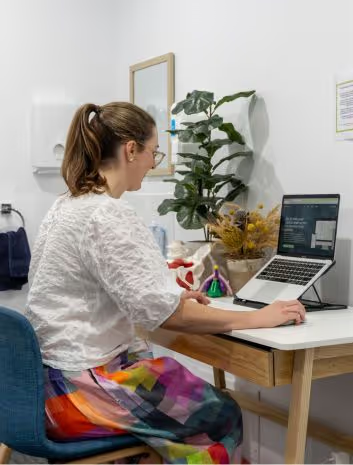
Cardiology fellows, study more, scribble less
Cardiology fellows can accelerate their learning curve with PatientNotes, which facilitates the efficient and secure documentation of clinical rotations and cardiac case studies through advanced AI technology.

AI Streamlining the Journey for Cardiology Fellows
Cardiology Fellows find PatientNotes instrumental in managing their training documentation, saving time and enhancing note quality, which supports their development and patient care during fellowships.
.webp)
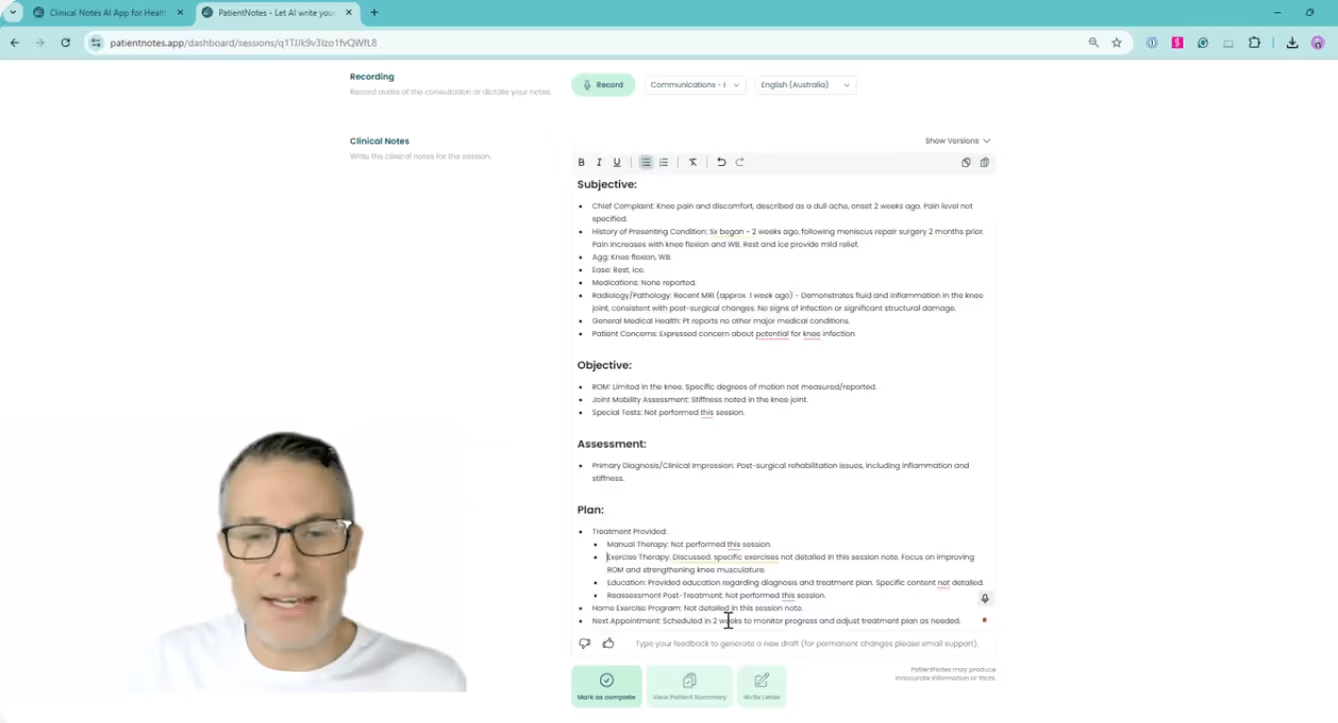
Instantly drafted Cardiology Fellow notes.
Cardiology fellows enhance their learning and patient care with PatientNotes by quickly generating detailed notes, allowing more time for clinical education and patient interaction.
Recommended Cardiology Fellow Action Plans
Cardiology Fellows ensure clear, actionable summaries are provided post-consultation, empowering patients with a written care plan and next steps for their cardiac care journey.
Cardiology Fellows Enhance Time Management with Quick Reporting
Quickly handle medicolegal and referral documentation, focusing on advanced cardiological training.
Protecting patient health data with confidence
At PatientNotes robust security measures create the strong immune system we know is vital to your patient's healthcare data. We know medical information is sensitive, and we’ve fortified PatientNotes with cutting-edge security measures to safeguard your clinical consults and notes.




Works with the existing PMS in your cardiology fellowship practice
Cardiology fellows benefit from PatientNotes’ compatibility with systems like TM3, aiding in detailed patient care and study documentation.

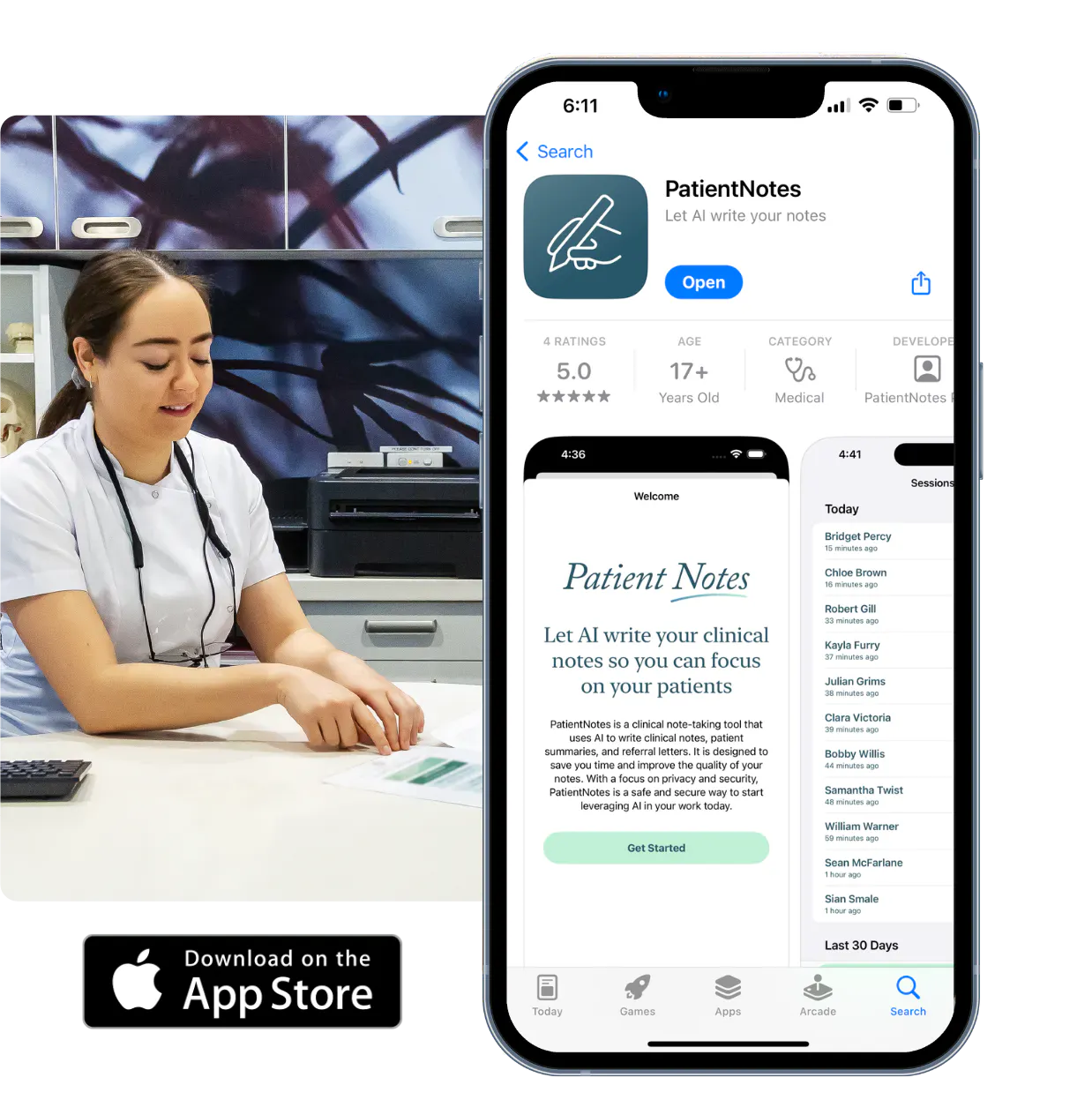
Cardiology fellows access research data via PatientNotes in study rooms, during clinical rotations, and at remote sessions.
Cardiology fellows can access clinical notes on any device with PatientNotes, enhancing flexibility with cardiology fellow telehealth platforms.

iPhone app
iPad app
PC
Mac
Microsoft Teams
Zoom
Google Meet (using PatientNotes Mac App)

Plans for teams of all sizes



Frequently asked questions
How might an AI scribe assist during complex cardiac catheterization procedures?
AI scribes transcribe your spoken observations during catheterization procedures, allowing you to document findings in real-time without stopping to write notes. This continuous documentation creates a more comprehensive record of the procedure while maintaining your focus on the patient.
How do I integrate AI scribe notes with cardiology-specific electronic health record systems?
After reviewing the AI-generated notes for accuracy, you can copy and paste them directly into your cardiology EHR system. This workflow applies to specialized cardiology EHRs as well as general hospital systems with cardiology modules.
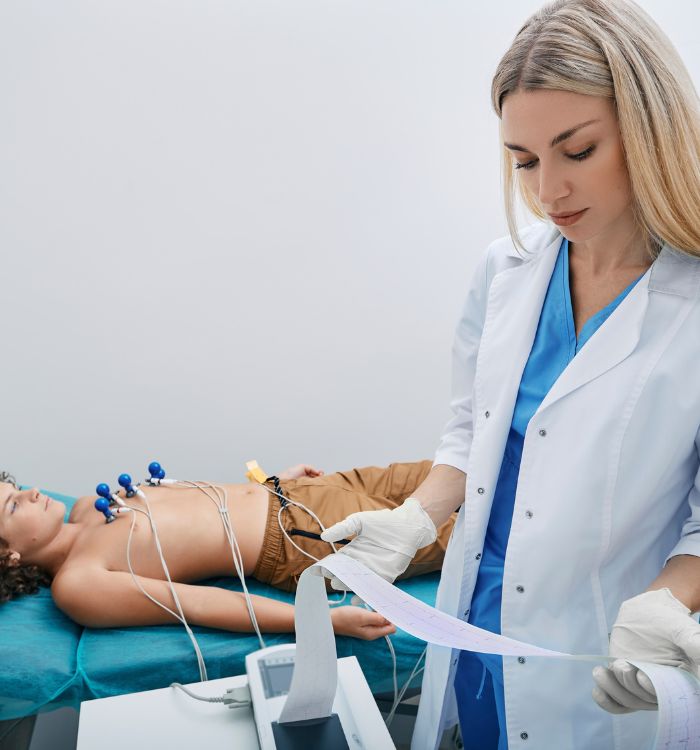
How might AI scribes help with documenting complex arrhythmia analyses?
When interpreting ECGs, Holter monitors, or electrophysiology studies, you can verbally describe the rhythm abnormalities, intervals, and treatment recommendations. The AI scribe creates a text record of your analysis that can be refined before being added to the patient's chart.
What about documenting cardiac imaging interpretations like echocardiograms and stress tests?
You can verbally describe what you observe during imaging studies, and the AI scribe converts this into structured notes. This works particularly well for the narrative elements of echo reports, nuclear studies, and stress test interpretations that require detailed descriptions of cardiac function and anomalies.
Will an AI scribe understand specialized cardiology terminology and acronyms?
AI scribes recognize most cardiology terminology including conditions, procedures, medications, and measurement values. For highly specialized terms or new procedures, you may need to review and edit the transcription to ensure accuracy, especially for terms like specific channelopathies or emerging interventional techniques.
Can AI scribes help organize research notes during my fellowship research rotations?
During research rotations, AI scribes capture your spoken observations about patient cohorts, literature reviews, or research protocols. This creates a searchable repository of your research thoughts that complements formal data collection and helps with subsequent manuscript preparation.
Book a Discovery Call
Simply fill out the form and select a time that suits you best
Ready to get started? Create an account today
Transform the medical reporting in your practice, elevate the standard of patient care and bolster effective communication among healthcare professionals.