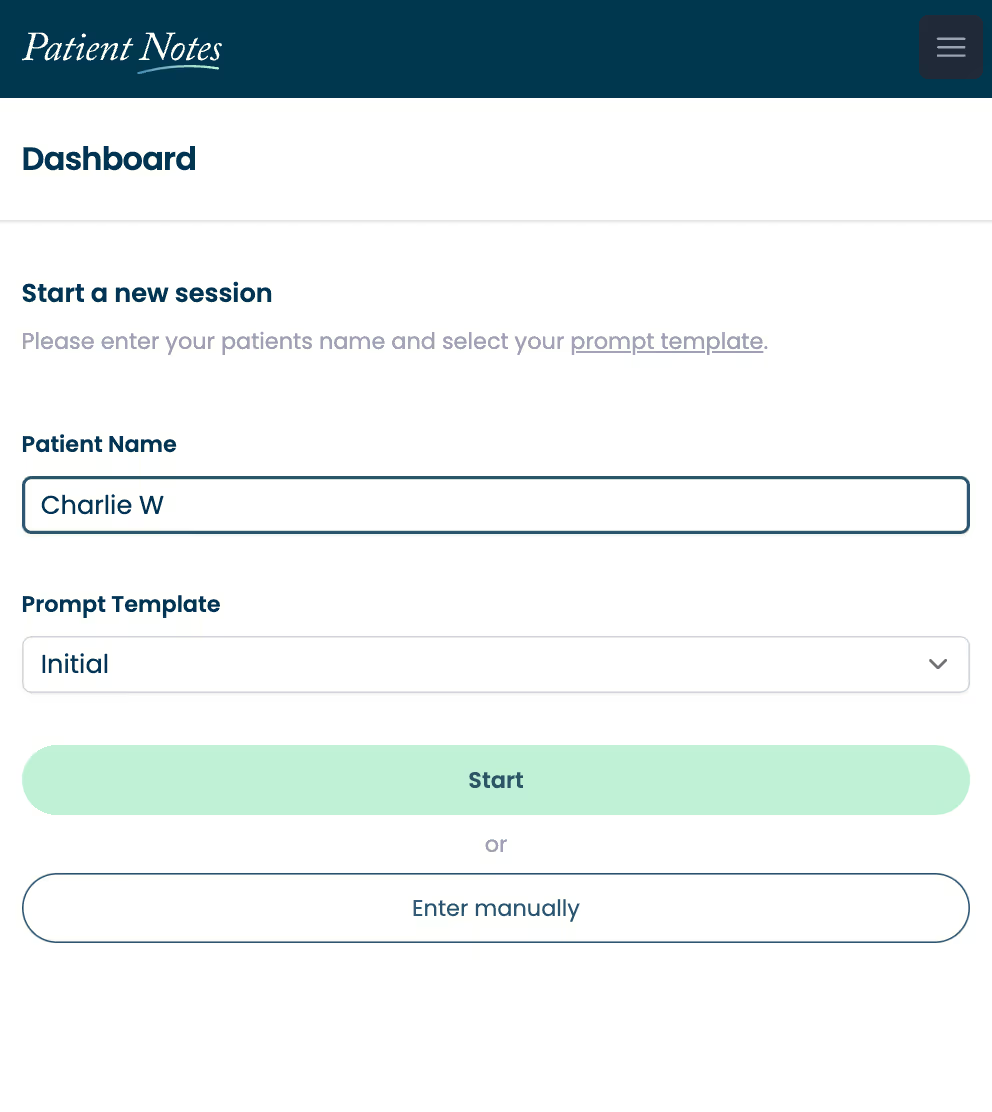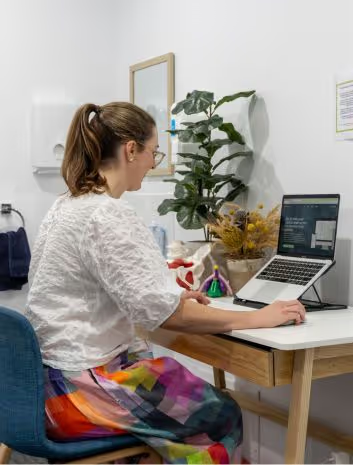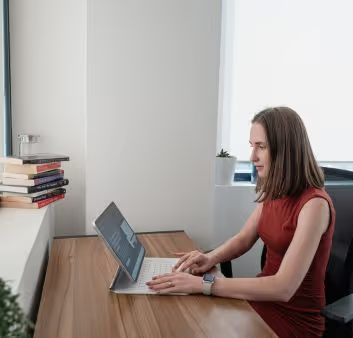
Enhance gastroenterological assistance with efficient documentation
PatientNotes supports gastroenterology physician assistants in managing treatment notes and patient records, facilitating better digestive health care.
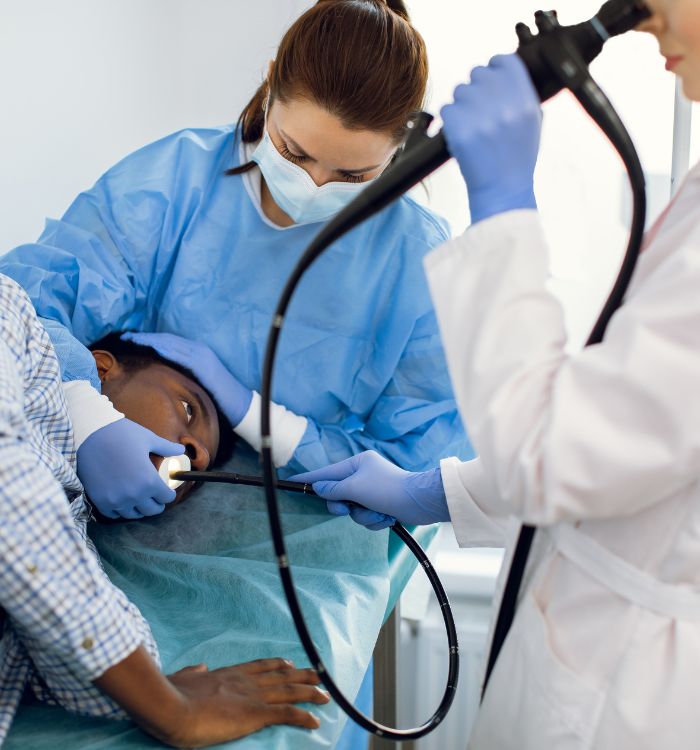
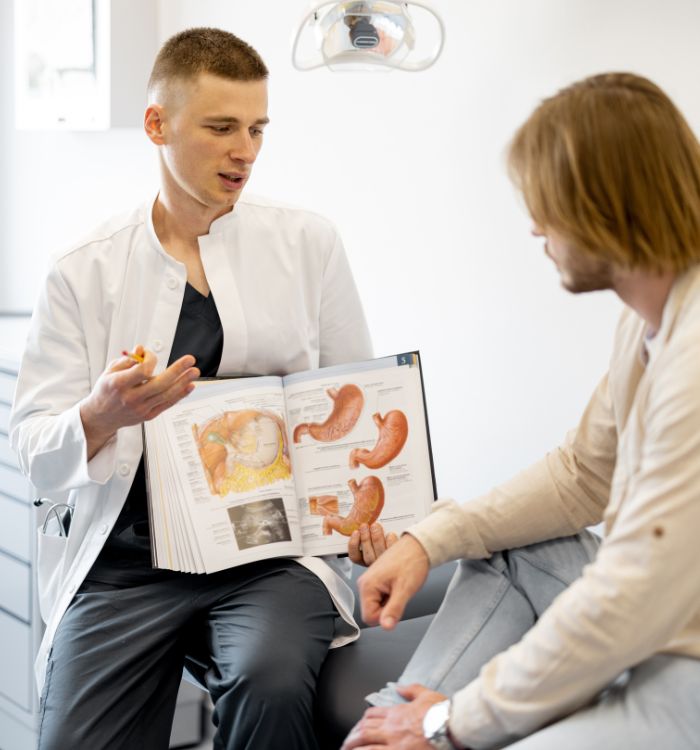

Gastroenterology PAs, care more, type less
PatientNotes helps gastroenterology physician assistants by speeding up documentation tasks with AI, ensuring that all patient interactions and treatment details are recorded securely and comprehensively.
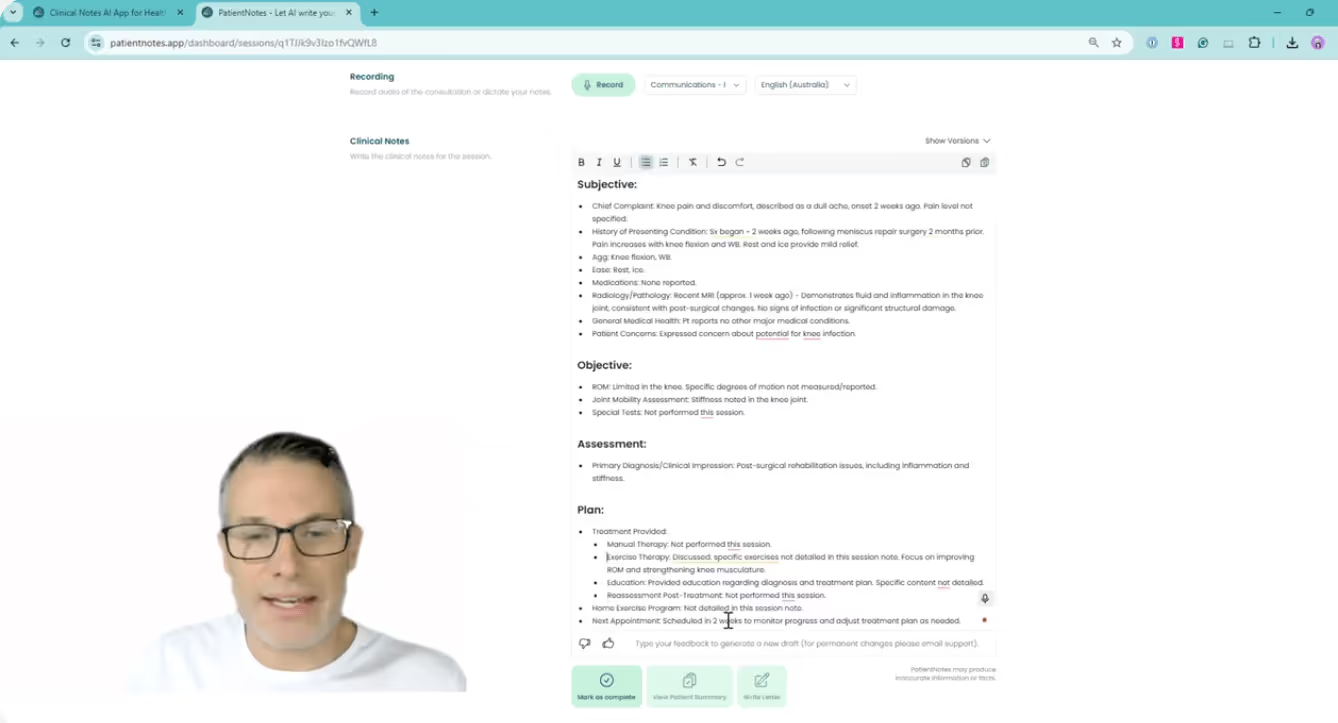

AI Enhancing Productivity for Gastroenterology PAs
Gastroenterology Physician Assistants rely on PatientNotes to manage patient care documentation efficiently, saving time and enhancing note quality, which allows for better management of digestive health conditions.
.webp)
Quick, Tailored Gastroenterology Assistant notes.
Gastroenterology physician assistants benefit from PatientNotes by quickly generating detailed notes, allowing more time for patient management and procedural support.

Recommended Gastroenterology Physician Assistant Action Plans
Gastroenterology Physician Assistants ensure patients receive clear, actionable summaries post-consultation, providing a written care plan and next steps for their gastroenterological health journey.
Gastroenterology PAs Expedite Gastrointestinal Reports
Streamline gastroenterological reports and referrals, focusing more on digestive health management.

Protecting patient health data with confidence
At PatientNotes robust security measures create the strong immune system we know is vital to your patient's healthcare data. We know medical information is sensitive, and we’ve fortified PatientNotes with cutting-edge security measures to safeguard your clinical consults and notes.



Works with the existing PMS in your gastroenterology assistant practice
Gastroenterology PAs can use PatientNotes with GI-specific systems like Cliniko, optimizing patient care and procedure records.
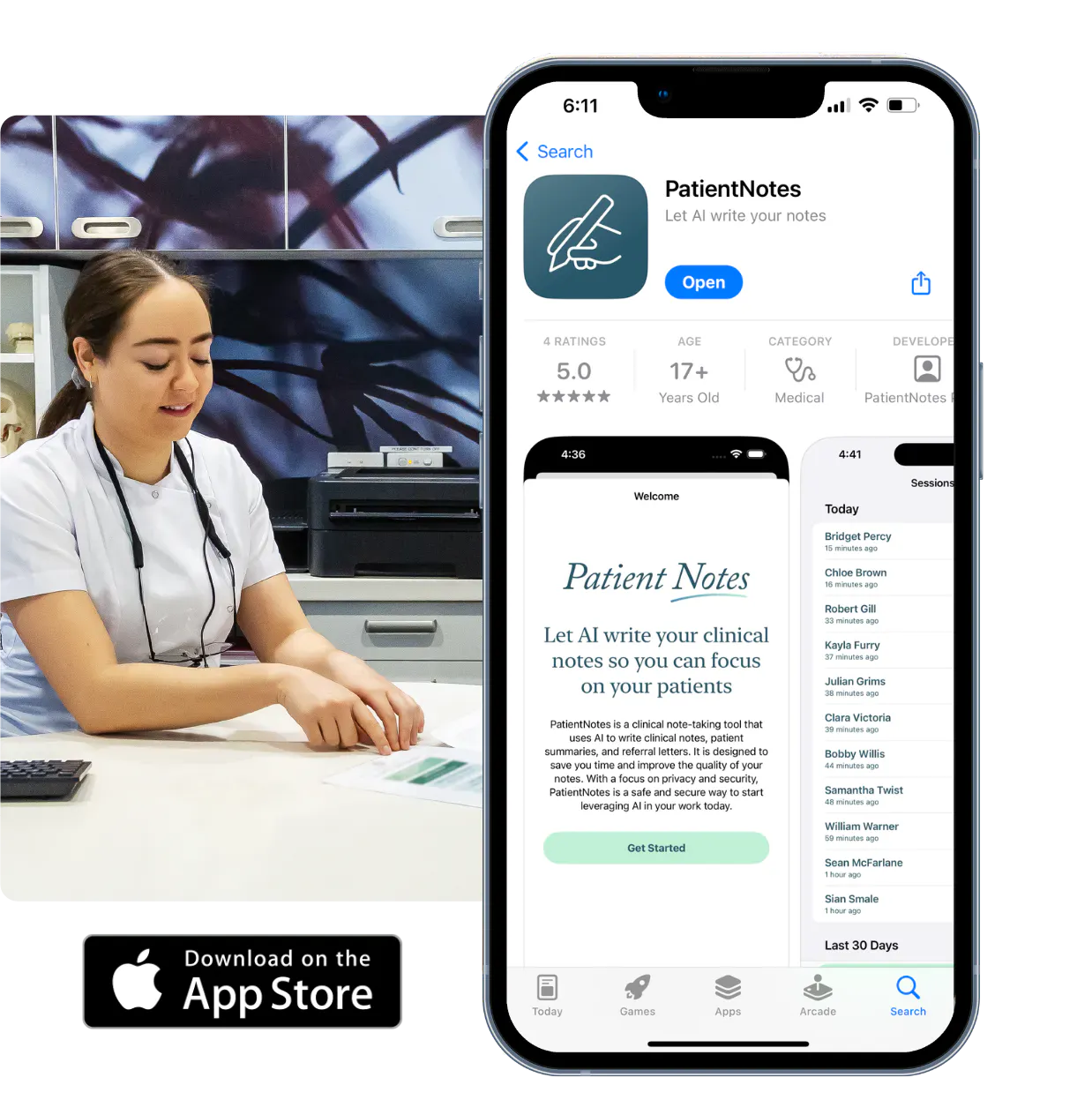
Gastroenterology PAs coordinate patient care with PatientNotes in medical offices, during health seminars, and via telehealth.
Gastroenterology PAs can keep detailed GI care notes accessible on any device with PatientNotes, which also works with gastroenterology PA telehealth platforms.

iPhone app
iPad app
PC
Mac
Microsoft Teams
Zoom
Google Meet (using PatientNotes Mac App)




Plans for teams of all sizes



Frequently asked questions
How do AI scribes help with documenting complex gastrointestinal procedures?
AI scribes transcribe your verbal descriptions of procedures like endoscopies and colonoscopies, capturing findings, techniques, and patient responses in real-time. The documentation process becomes more streamlined as you verbalize observations during or immediately after procedures while details remain fresh.
How do I transfer my dictated notes from an AI scribe to popular gastroenterology EHR systems?
Once your dictation is complete and notes are generated, simply copy and paste the content into your gastroenterology-specific EHR or practice management system. This approach works with any electronic record system your practice uses for patient documentation.
How might AI scribes help with documentation during busy liver clinic days?
During high-volume liver clinic days, verbally documenting each patient encounter allows for consistent documentation without delaying the next appointment. Speaking notes between patients creates efficiency while maintaining comprehensive documentation of liver function tests, medication adjustments, and follow-up plans.
Can AI scribes accurately capture specialized gastroenterology terminology?
AI scribes recognize common gastroenterology terms like "Barrett's esophagus," "diverticulosis," and "GERD" through voice-to-text technology. Speaking clearly and consistently helps improve recognition of specialized terms particular to gastroenterological practice.
What parts of a gastroenterology patient encounter work well with AI scribes?
Patient history, physical exam findings, differential diagnoses, and treatment plans for conditions like IBS, Crohn's disease, or liver disorders work particularly well with voice dictation. Procedure notes describing scope findings and biopsy locations also translate effectively through AI scribes.
How should I approach dictating pathology results from biopsies using an AI scribe?
Dictate pathology results methodically, clearly stating the biopsy site and corresponding findings for accurate transcription. Consider creating a consistent verbal format for reviewing multiple biopsy results to maintain organization in your documentation of gastroenterological pathology.
Book a Discovery Call
Simply fill out the form and select a time that suits you best
Ready to get started? Create an account today
Transform the medical reporting in your practice, elevate the standard of patient care and bolster effective communication among healthcare professionals.