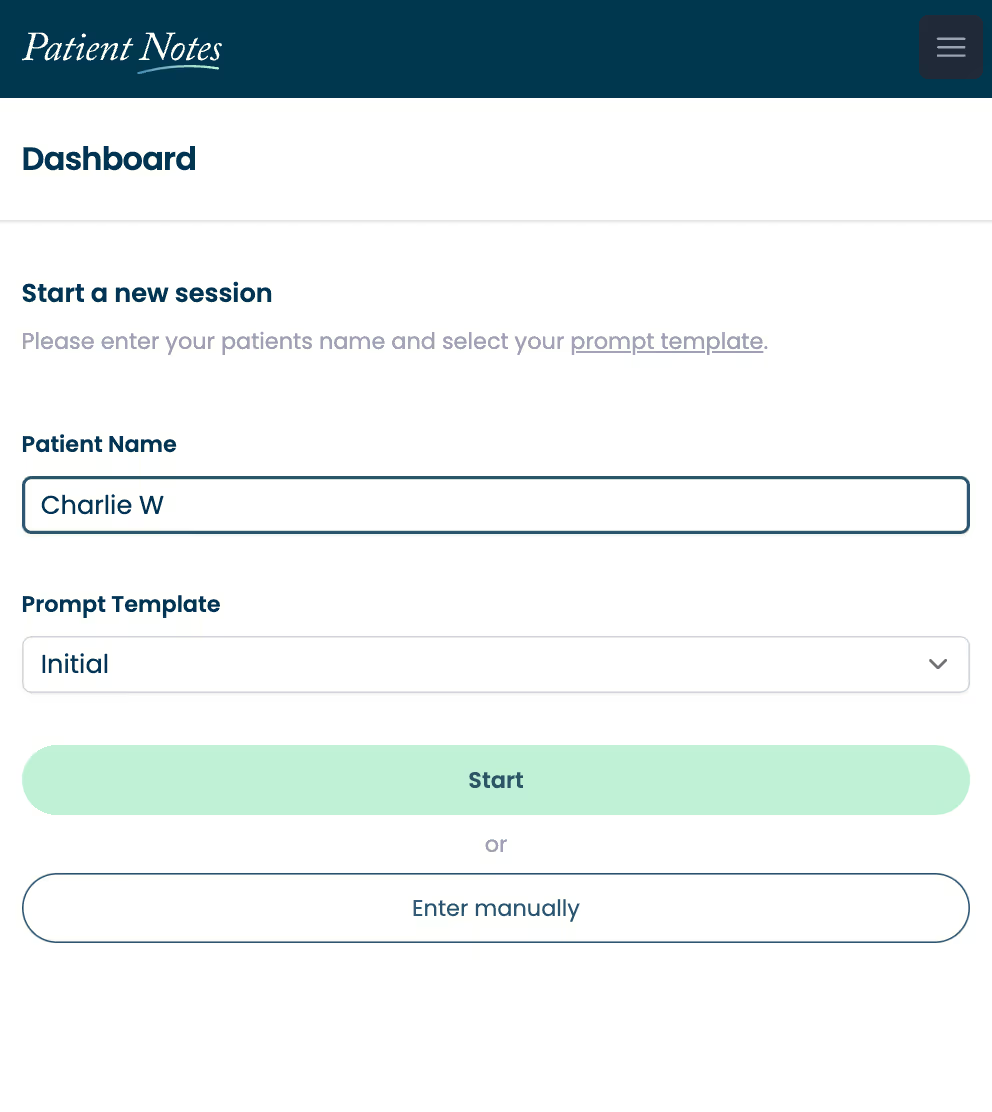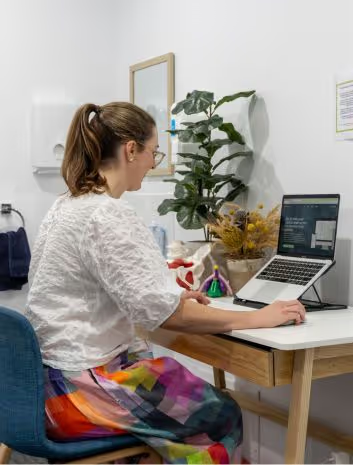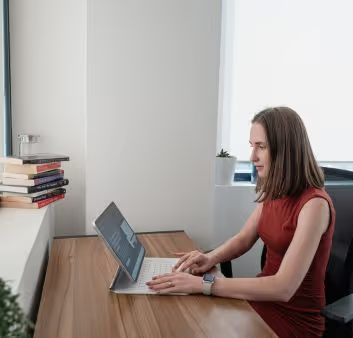
Streamline pediatric patient management with efficient documentation
PatientNotes aids pediatric physician assistants in automating patient records and treatment notes, enhancing efficiency and care quality in pediatric practices.


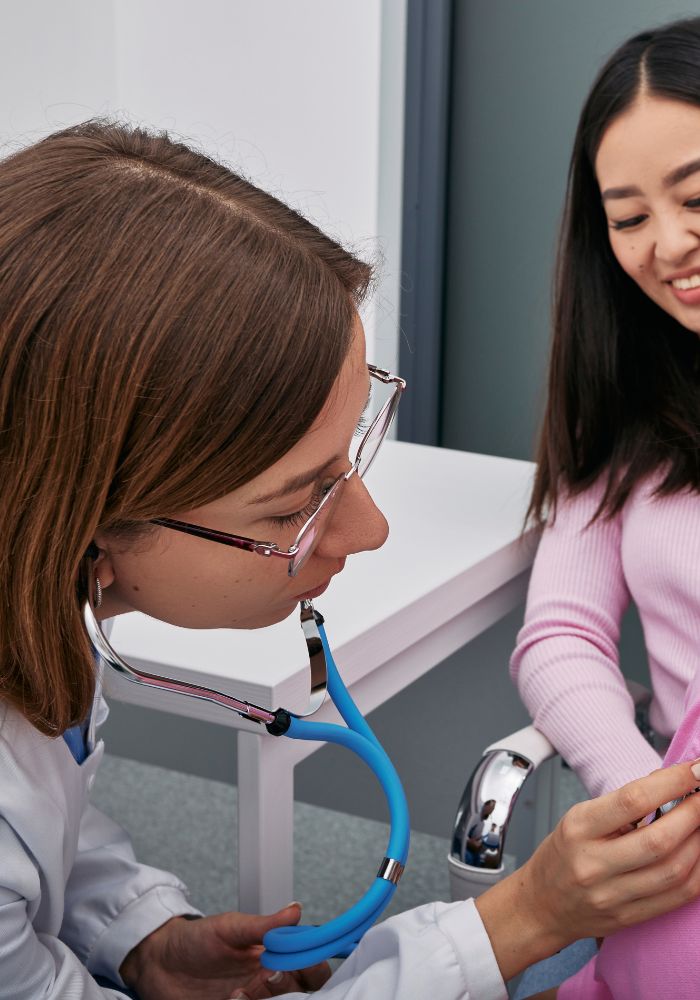


Pediatric PAs, more child care, less paperwork
Pediatric physician assistants use PatientNotes to streamline pediatric care documentation, allowing for more patient-focused care with AI-driven tools that secure and efficiently manage detailed health records.
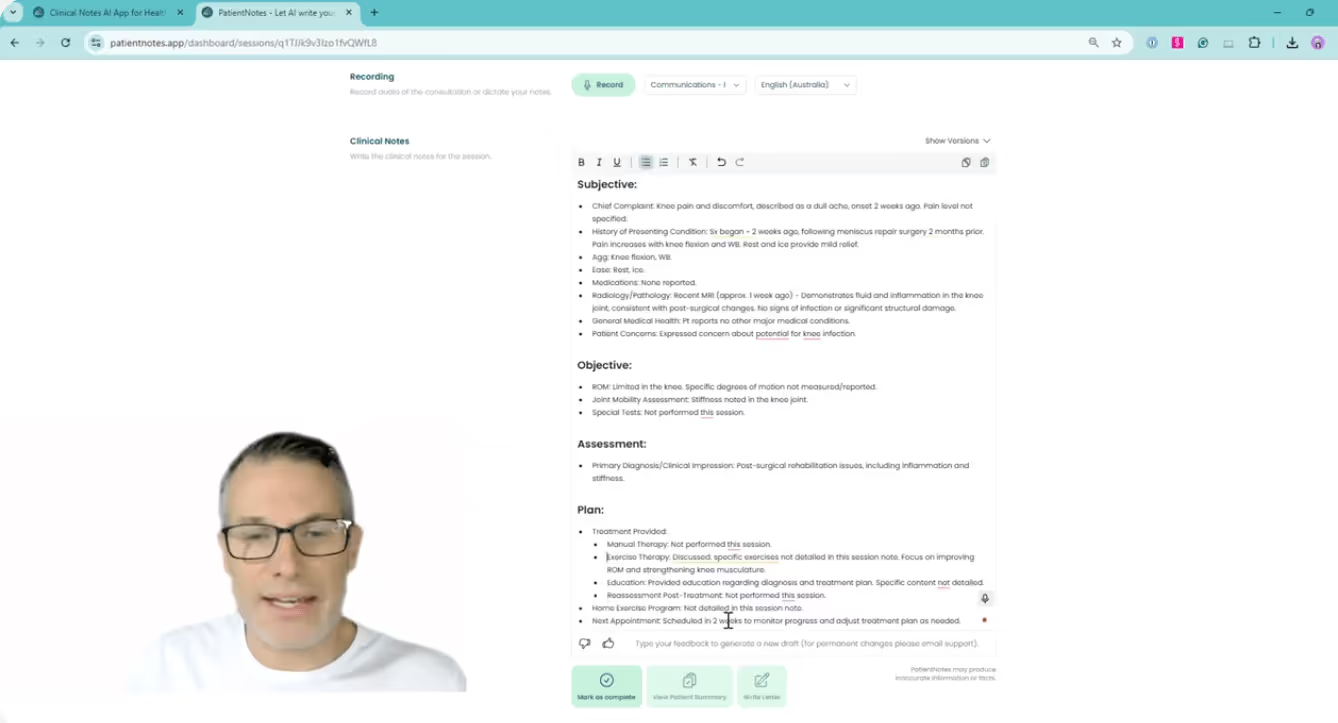

How AI Enhances Pediatric Physician Assistants' Workflow
Pediatric Physician Assistants use PatientNotes to efficiently manage child patient care documentation, saving time and improving the quality of notes, which supports comprehensive pediatric treatment and follow-up care.
.webp)
Tailored Pediatric Assistant notes created in a flash.
Pediatric physician assistants use PatientNotes to rapidly create detailed notes, improving efficiency and allowing more time for pediatric care.

Recommended Pediatric Physician Assistant Action Plans
Pediatric Physician Assistants deliver clear, actionable summaries post-consultation, empowering parents with a written care plan and next steps for their child's health care journey.
Pediatric Physician Assistants Save Time on Child Care Documentation
Streamline pediatric reports and referrals, focusing more on child patient care.
Protecting patient health data with confidence
At PatientNotes robust security measures create the strong immune system we know is vital to your patient's healthcare data. We know medical information is sensitive, and we’ve fortified PatientNotes with cutting-edge security measures to safeguard your clinical consults and notes.




Works with the existing PMS in your pediatric assistant practice
Pediatric PAs can integrate PatientNotes with pediatric systems like Cliniko, streamlining child health management and care plans.



Pediatric physician assistants manage child health care with PatientNotes in pediatric clinics, at child wellness events, and via telehealth.
Pediatric PAs can access detailed child care notes on any device with PatientNotes, which also works with pediatric PA telehealth platforms.

iPhone app
iPad app
PC
Mac
Microsoft Teams
Zoom
Google Meet (using PatientNotes Mac App)
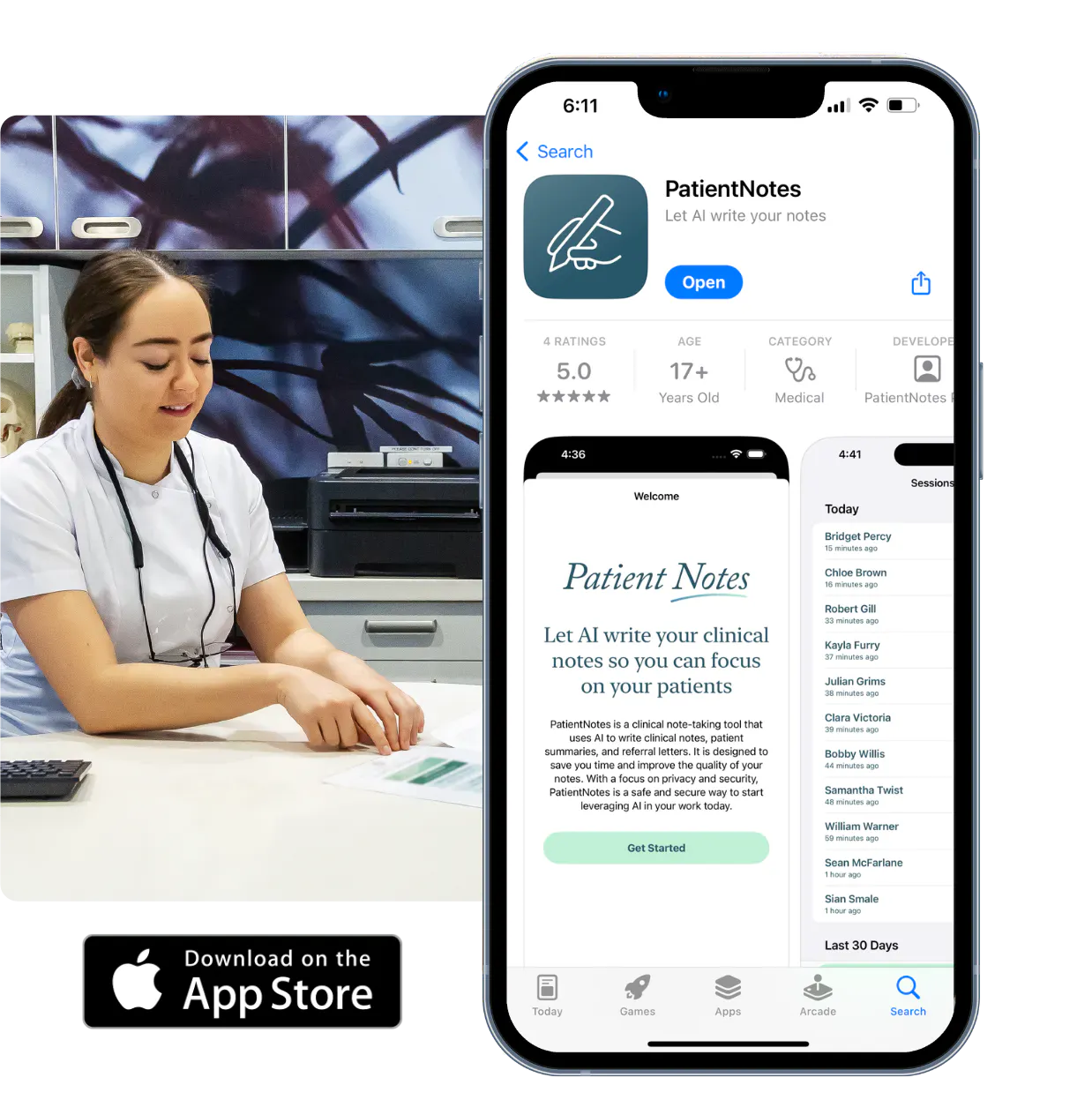




Plans for teams of all sizes



Frequently asked questions
How does using an AI scribe affect my interaction with pediatric patients and their families?
Speaking your observations and assessments aloud creates documentation while allowing you to maintain eye contact and engagement with children and their caregivers throughout the visit.
How do AI scribes handle pediatric-specific terminology and vaccination records?
Your spoken pediatric terminology, including growth percentiles, immunization details, and age-appropriate developmental assessments transforms into written documentation through the voice-to-text process.
What about documenting developmental milestones and growth parameters during well-child visits?
Voice your observations of developmental achievements, growth measurements, and milestone assessments as you perform them, creating detailed documentation while keeping your hands free to interact with your young patients.
How do I document sensitive adolescent health discussions while maintaining appropriate privacy?
Consider documenting sensitive portions of adolescent visits after the patient encounter to maintain privacy, or inform patients when documentation is occurring during confidential discussions.
What strategies work best for documenting multiple concerns during complex pediatric visits?
Organize your verbal documentation by clearly stating transitions between different concerns or body systems, creating natural sections in your notes that correspond to the various issues addressed during the visit.
Book a Discovery Call
Simply fill out the form and select a time that suits you best
Ready to get started? Create an account today
Transform the medical reporting in your practice, elevate the standard of patient care and bolster effective communication among healthcare professionals.